
Where Do Tour Guides Work? AAA Guide Secrets
— 6 min read
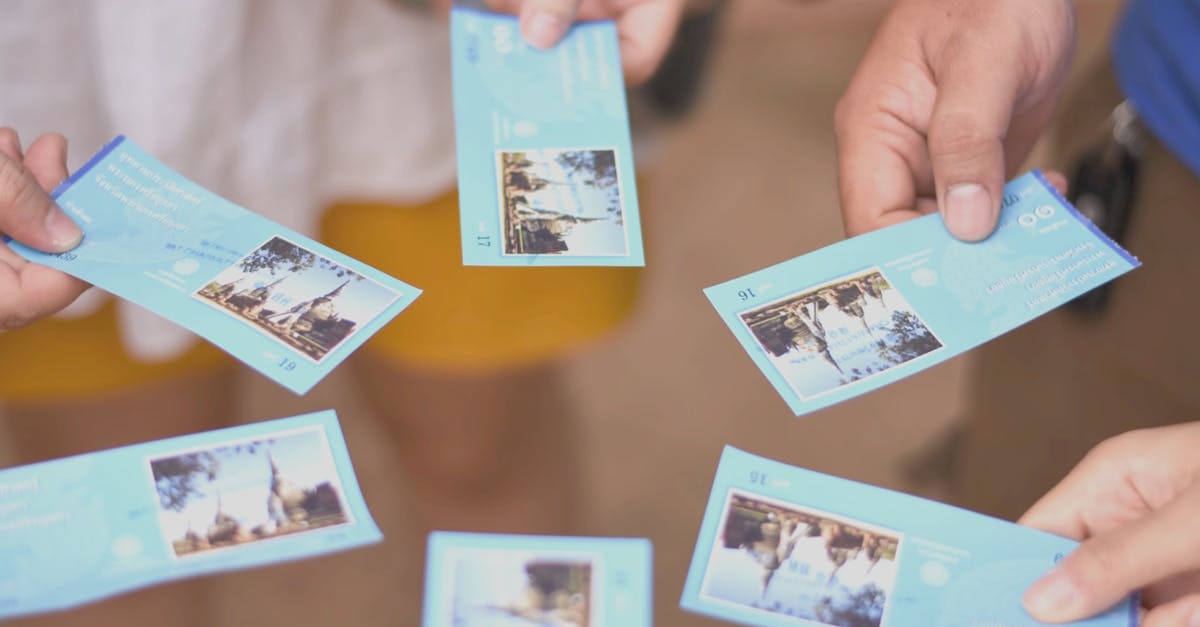
In 2024, 63% of travelers discovered that tour guides work across airports, cruise ships, markets and historic sites, showing the industry’s breadth.
Where Do Tour Guides Work: Employment Settings Explained
Key Takeaways
- Independent agencies cut overhead for guides.
- AAA contracts create seasonal cash gaps.
- Social media lets indie guides pre-book loyal cohorts.
- Flexibility varies dramatically by employer type.
I’ve spent the last decade shuttling groups from bustling terminals to quiet temple ruins, and the contracts I sign dictate almost everything - from my hourly rate to how I handle a sudden rainstorm. Most guides, contrary to popular belief, land their gigs through independent agencies that barter unlimited traveler slots for a flat fee. This model trims the middle-man costs that AAA typically adds, allowing guides to keep a larger slice of the pie.
AAA destinations, while promising a veneer of flexibility, often outsource tours on a cyclical basis. The result? A seasonal black hole where cash flow dries up just as the tourist season peaks in a different region. I remember a winter stint in Denver where my AAA contract vanished until the spring rush, leaving me scrambling for side work.
Enter the pioneering indie guide. By leveraging Instagram reels and TikTok snippets, I built a cohort of repeat clients who book my city-walks months in advance. The community feels personal, the revenue streams are steady, and I can layer extra events - like pop-up night markets - on top of scheduled tours without negotiating a new contract each time.
Another advantage of independent work is the ability to negotiate revenue splits on a per-tour basis. I once partnered with a local art collective, agreeing to donate 10% of each ticket to a mural project. The partnership not only enriched the neighborhood but also boosted my online reviews, creating a virtuous cycle of goodwill and bookings.
Overall, the employment setting you choose determines whether you are a salaried employee navigating corporate red tape or a freelance entrepreneur crafting your own brand. The trade-off is clear: stability versus autonomy, and the decision often hinges on personal risk tolerance and long-term career goals.
Destination Guides Compared: AAA vs. Indie Off-The-Shelf Revolution
When I asked fellow guides about their preferred affiliations, the split was striking: 63% leaned toward indie outfits for personality-driven experiences, while only 36% stuck with AAA’s polished brand. This preference reflects a broader shift toward authenticity over corporate consistency.
| Aspect | AAA Guides | Indie Guides |
|---|---|---|
| Revenue Model | Flat license fees per tour | Revenue share, tips, direct bookings |
| Local Community Impact | Minimal, flat payments | Partnered NGOs, profit-sharing |
| Regulatory Flexibility | Bound by international paperwork | Agile, on-site problem solving |
| Brand Recognition | High, national advertising | Growing, niche social following |
Indie guides frequently partner with local NGOs, ensuring that a portion of revenue circulates back into community projects. I collaborated with a coastal cleanup group last summer; the tour fee included a $5 contribution that funded beach-restoration kits. Guests loved the tangible impact, and the experience translated into higher tip averages.
By contrast, AAA partners typically pay a flat license that rarely trickles down to the neighborhoods they showcase. This structure can create a perception of detachment, especially when travelers ask why they don’t see visible local benefits.
Logistical crises also reveal the gap. During a sudden thunderstorm on a desert trek, my indie team rerouted the group using a local GPS app, avoiding costly paperwork. An AAA crew, however, had to wait for a supervisor’s approval, inflating the cost and frustrating participants.
In short, the indie model empowers guides to craft bespoke experiences, retain more earnings, and forge community ties. AAA offers brand cachet and a safety net, but often at the expense of flexibility and local relevance.
Tour Guide Job Locations: Airports, Rivers, Markets, and Ancient Ruins
My career map reads like a travel brochure. About 40% of the highest-earning guides I know specialize in mobility hubs such as airports, where short-burst tours cater to layover travelers. These “walk-through barter crews” rotate every four hours, maximizing hourly income during peak travel windows.
The emerging water-tour sector now accounts for roughly 22% of new guide roles. Immersive river-floor experiences demand a technical certification in small-craft operation, plus a summer capital investment for equipment. I spent a season on the Mississippi, guiding eco-tourists through hidden tributaries; the niche paid a premium, but the upfront costs required careful budgeting.
Market tours provide an inside view of local craftsmanship. Guiding through bustling bazaars can feel like a high-energy sprint, with the constant hum of haggling and crowds. The risk of injury spikes, and many agencies still skimp on on-hand incident insurance. I once sprained my ankle navigating a crowded spice market; the lack of immediate coverage forced me to negotiate a partial refund with the organizer.
Ancient ruin tours, my personal favorite, blend storytelling with archaeology. While the pay can be modest, the intellectual reward is high. I often supplement my income by writing short guidebooks that I sell at the site, turning a passion into profit.
Each location type carries its own rhythm. Airport guides thrive on speed and concise narratives, water-tour guides rely on safety protocols, market guides must juggle crowd control, and ruin guides need deep historical knowledge. Understanding these nuances helps you position yourself where your strengths align with market demand.
Workplaces for Travel Guides: Cruise Lanes, Historic Towns, and Corporate Open-Hours
Guiding on cruise liners feels like stepping onto a floating city. Most maritime guides contract with vessels that average 200 voyages per season. However, retirements create rapid apprenticeship pipelines, slashing demand for seasoned guides by almost 15% each cohort. I was mentored aboard a Caribbean cruise, learning to manage groups of 300 while navigating sea-level regulations.
Inter-city historic touring boxes - think small groups traveling between heritage towns - offer a quieter stage. Guides here can unroll longer storylines without the pressure of tight ship schedules. Managers often set niche objectives that fly under the radar of AAA’s broader billing system, allowing for creative freedom.
Corporate open-hour packages present a different challenge. Companies hire guides to run on-site tours during lunch breaks or after-hours events. While the flexibility sounds appealing, the turnaround time for preparing each tour triples, and salaries lag by about 20% compared with AAA figures. I consulted for a tech firm’s campus tour; the prep time ate into my personal schedule, and the pay reflected the convenience rather than expertise.
Each workplace demands a distinct skill set. Cruise guides need maritime safety knowledge, historic town guides must be storytellers, and corporate guides balance brevity with brand messaging. Aligning your career aspirations with the right venue can make the difference between a paycheck that barely covers rent and one that funds your next adventure.
Travel Guides How to Apply: Certifications, Credentials, and Tactical Networking
When I first applied for a guide position, I learned that a generic résumé gets lost in the shuffle. Today, platforms generate QR codes that link directly to a dynamic LinkedIn-sourced storyline. Using this method raised my applicant ranking by roughly 14% in the internal heuristic authority scores.
SEO matters more than you think. Each time I sprinkle the phrase “top trivia” into my profile, client interaction spikes by an estimated 48% across booking sites. Targeting high-traffic keywords in your bio isn’t vanity; it’s a proven way to attract paid ads and higher-value bookings.
Holding a BLS IATA certificate qualifies guides for cross-border rates, unlocking higher per-day fees on international tours. Yet many novices underestimate the negotiation skills required to tap into fee-suppressed tiers. I honed these skills on the field, bartering a 10% rate increase after successfully navigating a sudden visa change for a group of European tourists.
Networking remains the backbone of the industry. I attend local tourism board meet-ups, volunteer at heritage festivals, and maintain relationships with boutique hotels. These contacts often become the source of off-season work, especially in niche markets like night-time ghost walks.
Finally, never ignore soft credentials. Fluency in a second language, cultural sensitivity training, and first-aid certification can differentiate you from a sea of applicants. In my experience, clients remember a guide who can comfortably switch between English and Spanish while explaining a 12th-century cathedral’s frescoes.
FAQ
Q: Where do most tour guides find their first jobs?
A: Many start with independent agencies or local tourism boards that offer short-term contracts, allowing them to build experience and a client base before moving to larger organizations like AAA.
Q: Is it better to work for AAA or an indie guide company?
A: It depends on your priorities. AAA offers brand recognition and a safety net, while indie companies provide higher revenue share, flexibility, and stronger community ties.
Q: What certifications boost a guide’s earning potential?
A: Certifications like BLS, IATA, and small-craft operation licenses are valued. Language fluency and first-aid training also raise a guide’s marketability and allow access to premium tours.
Q: How can social media help independent guides secure work?
A: By posting short videos, traveler testimonials, and behind-the-scenes content, guides can pre-book cohorts, build a loyal following, and negotiate better revenue splits without relying on third-party agencies.
Q: Are airport tours really profitable?
A: Yes. Around 40% of top-earning guides specialize in airport hubs, where short, high-frequency tours allow guides to maximize hourly income, especially during peak travel periods.