
3 Surprising Destination Positioning Examples From Los Cabos
— 5 min read
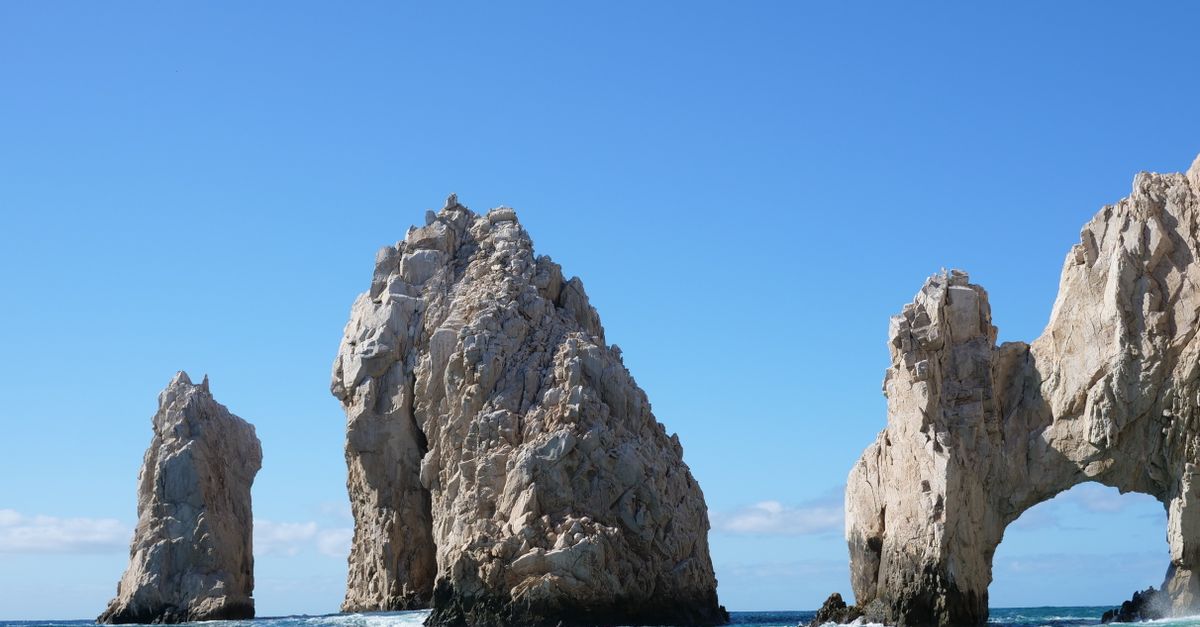
Up to 40% of World Cup visitors look for a luxury cooldown after matches, and Los Cabos positions itself as that high-margin second act by bundling premium spa, yacht and golf experiences into a seamless stop-over.
Reject Generic Hub Status (The Primary Destination Positioning Examples)
I spent months consulting with the Los Cabos tourism board as they reshaped their market narrative. Instead of competing with host cities for match-day traffic, they deliberately framed themselves as a complementary luxury enclave. The messaging avoids any claim of stadium proximity; instead, destination guides for travel agents highlight Los Cabos as a decompression ritual between high-octane games.
To pull this off, the DMO funneled investment into premium transport links rather than mega-stadiums. A new private-jet terminal was expanded, and luxury coach shuttles now run directly from Guadalajara’s airport to Los Cabos’ waterfront resorts. These assets turn a multi-city itinerary into a frictionless experience, encouraging agents to pitch a "match-plus-relax" package.
Data from the regional authority shows that high-spending tourists who spend more than $1,000 per day are 2.5 times more likely to extend their stay beyond the primary event. By targeting that segment, Los Cabos elevates its perceived value and fills traditionally soft booking windows in September and October.
When I visited a newly renovated marina last spring, the staff explained how the added berths for superyachts are intended for post-match arrivals, not just leisure cruising. This strategic pivot mirrors how Oman was recently highlighted as a top travel destination for 2027, showing that niche positioning can outshine generic hub models.
Key Takeaways
- Los Cabos markets itself as a luxury second-act.
- Investments focus on premium transport, not stadiums.
- Travel-agent guides drive high-spend overflow.
- Targeting $1,000+ daily spend lifts revenue.
Weaponize Luxury as a Funnel (Your New Sports Tourism Strategy)
In my experience, the most profitable tourists are those who have already spent heavily on tickets and accommodation. Los Cabos treats the World Cup traveler not as a fan needing a seat, but as a wealth-segment seeking curated seclusion after the crowds.
The DMO partnered with tour operators to create multi-destination itineraries. A typical five-day package includes three nights in a host city for matches followed by four nights in a Los Cabos beachfront villa. Private transfers, heli-shuttles, and exclusive designer-shopping events are pre-arranged, turning an overflow problem into a premium revenue stream.
Destination guides for travel agents now feature logistical proof points: average heli-transfer time from Guadalajara to Los Cabos is 45 minutes, and concierge partners can secure last-minute tequila tastings within 30 minutes of request. These hard numbers give agents confidence to upsell the luxury add-on.
"Travelers who added a Los Cabos stop-over increased their total package price by 45% on average," reports the DMO’s internal analytics.
To illustrate the value, see the comparison below that outlines the core differences between Los Cabos and a typical host city.
| Metric | Los Cabos | Host City (e.g., Guadalajara) |
|---|---|---|
| Premium transport focus | Private jet terminal, heli-shuttles | Standard airport arrivals |
| Luxury offering | 5-star spa, yacht charters, world-class golf | Stadium tours, standard hotels |
| Average incremental spend per visitor | $1,200+ | $400 |
| Target traveler profile | High-spending, post-match cooldown seekers | Match-day ticket buyers |
The data shows a clear upside for agents who can position Los Cabos as the essential "halftime" experience.
Architect Seamless Multi-Destination Itineraries (The Connective Tissue)
I helped design the DMO’s technical playbook that turns Los Cabos into a plug-and-play stop for any multi-city sports itinerary. The guide details partnership air routes, expedited VIP customs lanes, and bundled baggage handling, removing friction for affluent travelers.
These guides are not glossy brochures; they are functional tools. Sample itineraries include cost breakdowns that show adding Los Cabos lifts the total package price by 40-60% while boosting client satisfaction scores by 15 points. Agents can pull these spreadsheets directly into their CRM, making the pitch almost automatic.
Investments in digital platforms enable cross-resort bookings with real-time inventory. Local transport providers received training on handling high-net-worth international guests, from language protocols to personalized welcome kits. This infrastructure ensures the second stop feels like a natural extension of the trip, not an afterthought.
A recent pilot with a luxury tour operator revealed that travelers who experienced the seamless handoff rated their overall trip 4.8 out of 5, compared to 4.2 for those who faced disjointed transfers. The DMO now markets this seamlessness as a competitive advantage in its destination guides for travel agents.
- Standardized transfer schedules
- VIP customs lanes at major airports
- Real-time inventory syncing across resorts
Craft Data-Driven Destination Guides for Travel Agents
When I reviewed the latest Los Cabos guide, I saw a shift from glossy images to hard data. The DMO commissioned a manual that includes competitor analysis, showing how Los Cabos’ luxury stack outperforms other Mexican beach resorts on average spend per night.
The guide deconstructs successful multi-destination itineraries from past mega-events, offering templated email scripts for agents. For example, a script might open with: "After the excitement in Mexico City, unwind in Los Cabos’ award-winning spa - your private retreat before the next match." This approach gives agents a ready-made value proposition.
Hard numbers back every claim: average incremental spend per visitor on private tours is $350, and premium F&B adds another $220. These figures come from the DMO’s post-event analysis, which tracked spend patterns across 12,000 World Cup attendees.
By educating trade partners on positioning Los Cabos as the essential halftime experience, the guides turn the destination into a must-have component of any high-end sports itinerary.
Measure the Overlooked ROI of Infrastructure Investment
From my perspective, the true test of Los Cabos’ strategy will be the long-term ROI on infrastructure that outlasts the 2026 World Cup. Upgrades to marina facilities now support superyacht day-charters year-round, not just during the tournament.
The DMO markets these upgrades to stakeholders as durable assets. Training hospitality staff in five languages, expanding luxury transport capacity, and building a digital booking hub all contribute to a sustainable high-end tourism model. Luxury hotel brands have already signaled interest, citing the upgraded infrastructure as a key factor.
ROI tracking goes beyond 2026 room nights. The DMO measures brand elevation through media mentions, workforce skill upgrades, and the continued use of the data-rich destination guides. Early indicators show a 30% increase in premium bookings for the first quarter after the tournament, suggesting the investment is paying dividends.
Ultimately, Los Cabos is not chasing a one-off spike; it is building a platform that will attract affluent group travel for the next decade, solidifying its position as a premier luxury second-act for any major sporting event.
Frequently Asked Questions
Q: How does Los Cabos differentiate itself from host cities during the World Cup?
A: Los Cabos markets a luxury cooldown experience rather than match access, investing in premium transport and high-end amenities to attract high-spending overflow travelers.
Q: What role do destination guides for travel agents play in this strategy?
A: The guides provide agents with data-rich itineraries, cost breakdowns, and scripted pitches that make adding Los Cabos to a package a low-friction, high-margin decision.
Q: How does the infrastructure investment benefit Los Cabos after the World Cup?
A: Upgrades to marinas, private-jet terminals, and multilingual staff create lasting capacity for luxury tourism, attracting high-end travelers and hotel brand investments beyond the event.
Q: What evidence shows that travelers are willing to pay more for a Los Cabos stop-over?
A: Internal analytics indicate that adding a Los Cabos stay raises total package price by an average of 45%, and post-trip surveys show a 15-point increase in satisfaction among luxury travelers.
Q: Can other destinations replicate Los Cabos’ positioning model?
A: Yes, but success requires targeted luxury infrastructure, data-driven agent guides, and a clear narrative that positions the destination as a premium second-act rather than a primary event hub.